Breaking the Silence: How Open Conversations About Food Struggles Can Rebuild the Communities We Need

The Heaviest Burden Is the One Nobody Talks About
For many Americans, the most difficult moment in a week is not standing in a grocery store checkout line with an empty wallet. It is sitting at a dinner table with family, pretending everything is fine. Food insecurity—defined by the USDA as a lack of consistent access to enough food for an active, healthy life—affects more than 44 million people in the United States. Yet researchers and community workers consistently note that a significant portion of those individuals will go to extraordinary lengths to conceal their circumstances, even from the people closest to them.
This silence is not irrational. It is, in many ways, a deeply human response to a culture that has long equated financial struggle with personal failure. And until communities learn to dismantle the conditions that produce that silence, no amount of food assistance programming will reach everyone who needs it.
Why People Stay Quiet
Social workers and community health professionals who work directly with food-insecure households describe a pattern that repeats across demographics, geographies, and income levels. People will skip meals before they will ask for help. They will tell their children there is plenty to eat. They will decline invitations to gatherings where food will be served, rather than risk a conversation they are not prepared to have.
Dr. Renata Osei, a licensed clinical social worker who has spent more than a decade working with low-income families in Chicago, describes it plainly: "The shame attached to not being able to feed yourself or your family is profound. It touches on identity, on parenthood, on your sense of worth as a person. People will protect that sense of self even at the cost of their own nutrition."
This dynamic is compounded by the way food assistance has historically been framed—as charity extended to those who have failed to provide for themselves. Even when individuals are fully entitled to benefits like SNAP or WIC, the act of applying can feel like a public declaration of inadequacy. The bureaucratic language of eligibility, means testing, and income thresholds reinforces the idea that receiving help is something to be ashamed of rather than a practical resource available to anyone who qualifies.
The Cost of Keeping Quiet
The consequences of sustained silence about food insecurity are not merely emotional. Research consistently links chronic food insecurity to elevated rates of depression, anxiety, and social withdrawal. Children in food-insecure households show measurable impacts on cognitive development and school performance. Adults who go without adequate nutrition are more susceptible to a range of chronic illnesses.
But perhaps the most overlooked cost is relational. When people cannot speak honestly about their circumstances, they become increasingly isolated from the communities that could support them. Friendships stall. Families grow distant. The very social infrastructure that might help someone through a difficult period erodes precisely when it is most needed.
Maria Delgado, a mother of three in San Antonio who experienced a period of severe food insecurity following a job loss, recalls the loneliness of that time. "I would see my neighbors, my friends from church, and I could not say a word. I thought if they knew, they would look at me differently. I thought I would lose their respect. So I just... disappeared from everyone's lives for a while."
Her experience is far from unique. It reflects a cycle that community organizations across the country are working urgently to interrupt.
Creating Space for Honest Conversation
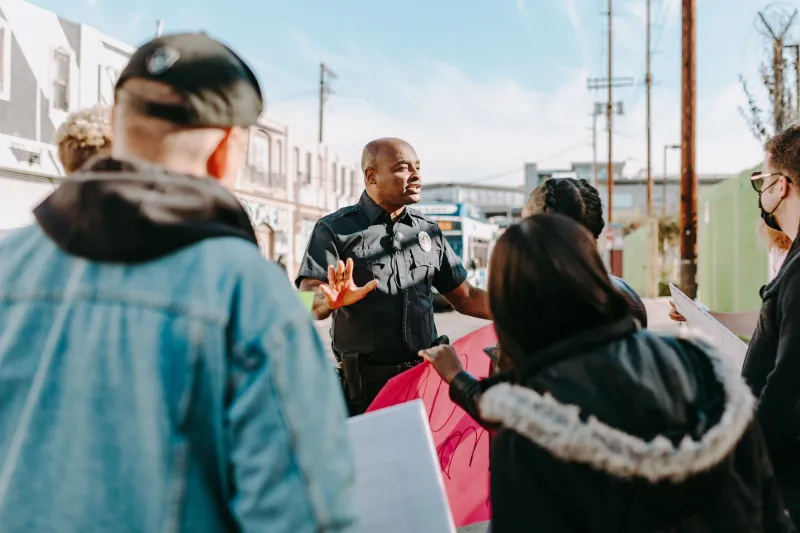
The most effective interventions, many community leaders argue, are not the ones that deliver resources most efficiently. They are the ones that first create a climate in which people feel safe enough to acknowledge what they are experiencing.
This is the foundational philosophy behind a growing number of community-led initiatives that prioritize conversation before assistance. Programs that host neighborhood dinners without any formal intake process, community listening circles where residents are invited to share what is genuinely difficult in their lives, and peer support networks where trained volunteers share their own experiences of food insecurity—all of these approaches share a common premise: that belonging must precede help-seeking.
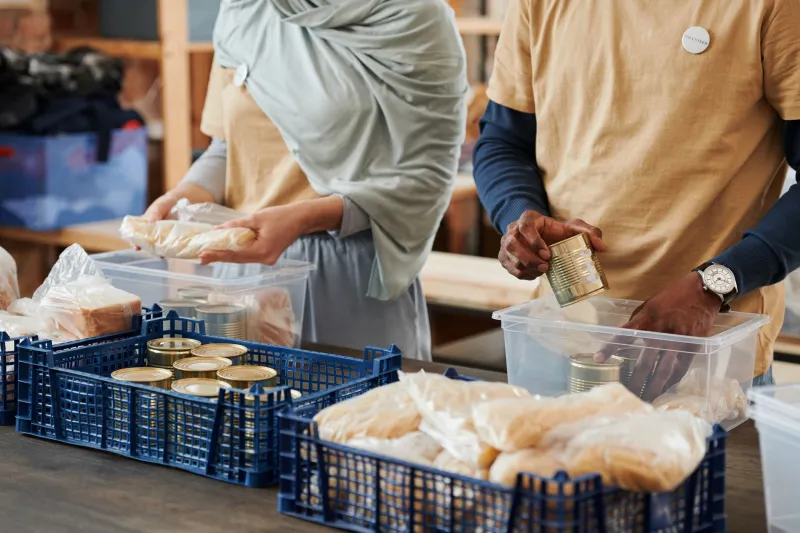
At Bhandara Community Hub, this philosophy is embedded in the very tradition from which the organization draws its name. The bhandara—a communal feast rooted in South Asian culture—was never a charity event. It was an act of shared humanity, a table to which everyone was equally invited and at which no distinction was made between the giver and the receiver. That model, translated into contemporary community practice, offers a powerful alternative to the transactional, stigma-laden frameworks that have long dominated food assistance in America.
"When you sit down at a table together, as equals, something shifts," says James Harrington, a community organizer in Detroit who runs a weekly shared-meal program in his neighborhood. "People start talking. They find out they are not alone. And once that happens, it becomes possible to have real conversations about what people actually need."
Normalizing the Conversation at Every Level
Creating safe spaces for honest dialogue about food insecurity requires more than programming. It requires a cultural shift in how communities talk about hardship in general. That means training volunteers and frontline staff to use language that does not pathologize or diminish. It means designing outreach that does not begin with a list of eligibility requirements. And it means centering the voices of people with lived experience in the development of community responses.
Peer advocates—individuals who have navigated food insecurity themselves and are willing to speak openly about it—play a particularly important role in this work. Their willingness to share their own stories reduces the perceived risk of disclosure for others and reframes the narrative around food insecurity as a circumstance rather than a character flaw.
Organizations that have integrated peer advocacy into their models report not only higher rates of program participation but deeper, more sustained community engagement. People who feel genuinely seen and respected are more likely to become active contributors to the communities that supported them—volunteering, mentoring, and advocating on behalf of others.
From Isolation to Interdependence
The goal of normalizing conversations about food insecurity is not simply to connect more people with more resources, though that matters enormously. It is to rebuild the fabric of mutual support that sustains healthy communities over time. When neighbors can speak honestly with one another about what they are struggling with, the entire community becomes more resilient—not just against hunger, but against the many other forms of hardship that life inevitably brings.
Silence about food insecurity does not protect anyone. It isolates the people who are most in need and leaves communities less capable of responding to one another with compassion and clarity. The courage to speak, and the grace to listen without judgment, are not small things. They are, in many ways, the foundation on which everything else is built.
At Bhandara Community Hub, we believe that nourishing lives means more than filling plates. It means creating the conditions in which every person can say, without fear, what they need—and trust that the community gathered around them will respond.