Strength in Reaching Out: How Peer-Led Outreach Is Dismantling the Stigma Around Seeking Food Support
There is a particular kind of quiet that surrounds hunger when it hides behind pride. It is the silence of a parent who skips dinner so a child can eat more. It is the rehearsed answer — "We're doing fine, thank you" — offered to a neighbor who asks too directly. It is the government benefits form left unsubmitted in a kitchen drawer for months, its edges softening with time.
According to the USDA, tens of millions of Americans experience food insecurity each year. Yet a significant portion of those who qualify for federal nutrition programs — including SNAP, WIC, and school meal assistance — never enroll. The barrier is rarely logistical. More often, it is deeply psychological, rooted in a cultural mythology that equates asking for help with personal failure.
Community organizations across the United States are confronting this reality head-on. And the strategies proving most effective are not louder advertising campaigns or expanded office hours. They are human ones.
The Weight of an American Myth
The ideal of rugged self-reliance runs deep in American culture. From frontier narratives to bootstrapping success stories, the message absorbed across generations is consistent: capable people provide for themselves. Needing help, in this framework, signals inadequacy.
Social workers who engage with food-insecure households regularly encounter this belief — not as an abstraction, but as a lived emotional reality. Many describe clients who express profound shame when discussing their circumstances, even in confidential settings. Some individuals wait until a crisis — a medical emergency, an eviction notice, a child's visible weight loss — before they will accept any form of assistance.
"There's this internal calculus people go through," explains one community outreach coordinator based in the Midwest. "They weigh their need against their identity. And for many people, their identity as someone who handles things independently feels more important to protect than their nutrition."
This calculus is not irrational. It reflects real social consequences — real fears about judgment from neighbors, employers, or extended family. In tight-knit communities, seeking assistance can feel like exposing a private vulnerability to public scrutiny.
When the Messenger Changes the Message
Organizations working at the intersection of food access and community development have discovered that the most effective way to reduce this stigma is not through institutional outreach — it is through people who have walked the same path.
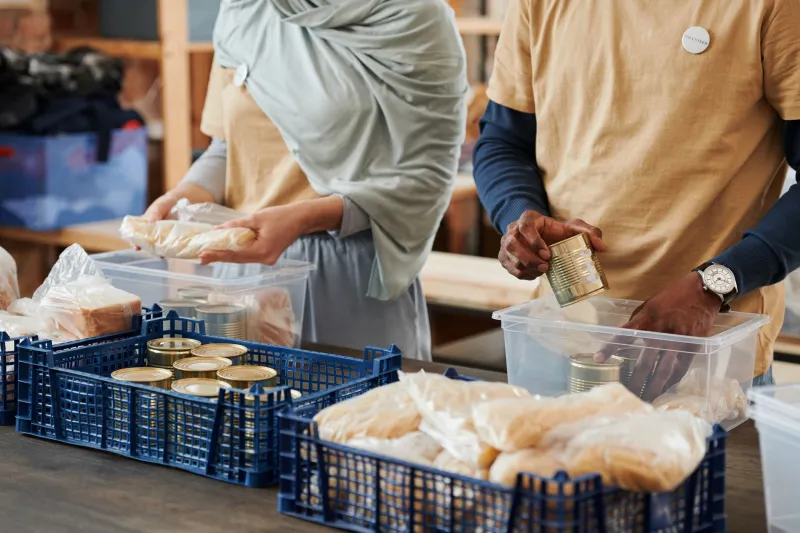
Peer ambassador programs, in which individuals with lived experience of food insecurity serve as trusted guides for others navigating assistance systems, have shown remarkable results. Unlike a government pamphlet or a social service referral, a neighbor who can say "I was in your position two years ago, and here is what helped me" carries a different kind of authority. It is the authority of shared experience — and it is disarming in ways that formal systems rarely are.
In several cities, community hubs have formalized this approach by training peer ambassadors not only in the mechanics of program enrollment, but also in the language of dignity. They are taught to frame assistance not as charity received, but as a community resource accessed — one that people have contributed to through taxes, through labor, through participation in civic life.
The distinction is not merely semantic. It repositions the individual from supplicant to stakeholder. And for many people, that repositioning is precisely what makes the difference between asking and not asking.
Reframing the Conversation
Language matters enormously in this work. The words used to describe food assistance programs carry embedded assumptions about who uses them and why. Terms like "handout," "charity case," or even the clinical detachment of bureaucratic labels can reinforce the very shame they are meant to be neutral about.
Progressive community organizations are being deliberate about vocabulary. Phrases like "community care," "shared resources," and "mutual support" are increasingly replacing older frameworks. Some programs have moved away from the word "assistance" altogether in their community-facing communications, opting instead for language that emphasizes access, belonging, and collective investment.
This linguistic shift is backed by emerging research in behavioral science suggesting that how a resource is described affects whether eligible individuals will seek it. When food support is framed as something a community provides for its members — rather than something given to people who cannot manage on their own — uptake rates improve meaningfully.
"We stopped talking about 'applying for help' and started talking about 'connecting with resources your community has set aside for moments like this,'" notes one program director in the Pacific Northwest. "It sounds like a small thing. It isn't."
Meeting People Where They Are
Physical accessibility is another dimension of this challenge. Traditional food assistance intake processes — formal offices, required documentation, scheduled appointments — can function as unintentional deterrents. For individuals who work multiple jobs, lack transportation, or feel intimidated by institutional settings, each additional step becomes a potential exit point.
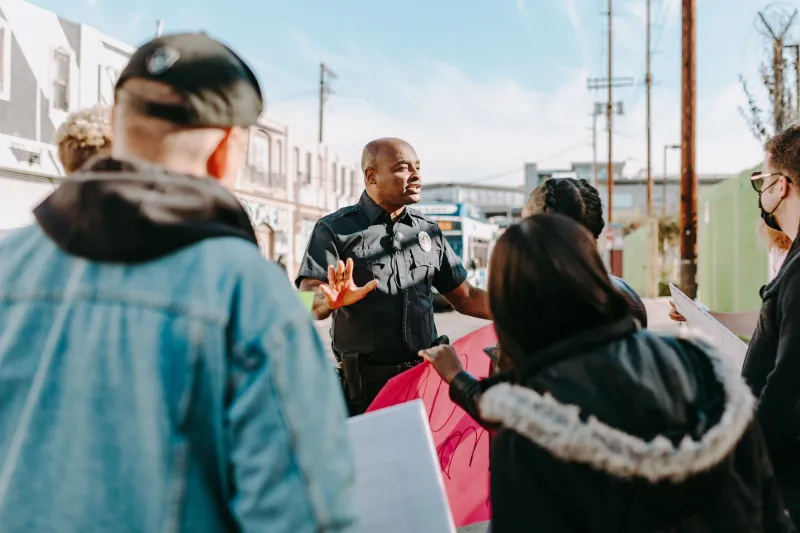
Community-based organizations have responded by embedding outreach in the spaces where people already feel comfortable. Faith communities, laundromats, barbershops, and school pickup lines have all become informal sites for connecting families with food resources. Trusted figures — a pastor, a school counselor, a longtime neighborhood resident — make introductions that a flyer or a social media post never could.
Mobile enrollment units, multilingual navigators, and same-day assistance options are further reducing friction. The underlying principle is consistent: the system should move toward the person, not demand that the person navigate a system designed for someone with more time, more resources, and fewer barriers.
Building a Culture of Care
What the most effective programs share is a commitment to something larger than enrollment numbers. They are engaged in a longer project — one of cultural transformation. They are working to normalize the idea that community care is not a last resort for the desperate, but a foundational expression of how neighbors support one another through difficulty.
This vision is not new. Traditions of communal sharing and collective provision are woven through nearly every culture and faith tradition. The Bhandara tradition, from which this organization draws its name and spirit, has long embodied the understanding that nourishing others is an act of community strength, not an acknowledgment of weakness.
Reclaiming that understanding in the American context — where individualism has so often been weaponized against those in need — is both a practical and a moral undertaking.
When a community creates the conditions in which asking for help is understood as an act of courage rather than an admission of failure, something important shifts. Not only do more people access the nutrition they need — they do so with their dignity intact. And that, ultimately, is the measure of whether a community is truly caring for its own.
The drawer with the unsubmitted form does not have to stay closed. But opening it requires more than information. It requires a community willing to say, clearly and without reservation: You are not alone in this, and reaching out is exactly what we are here for.