Cheap to Buy, Costly to Keep: The Ultra-Processed Food Trap and the Communities Paying the Price
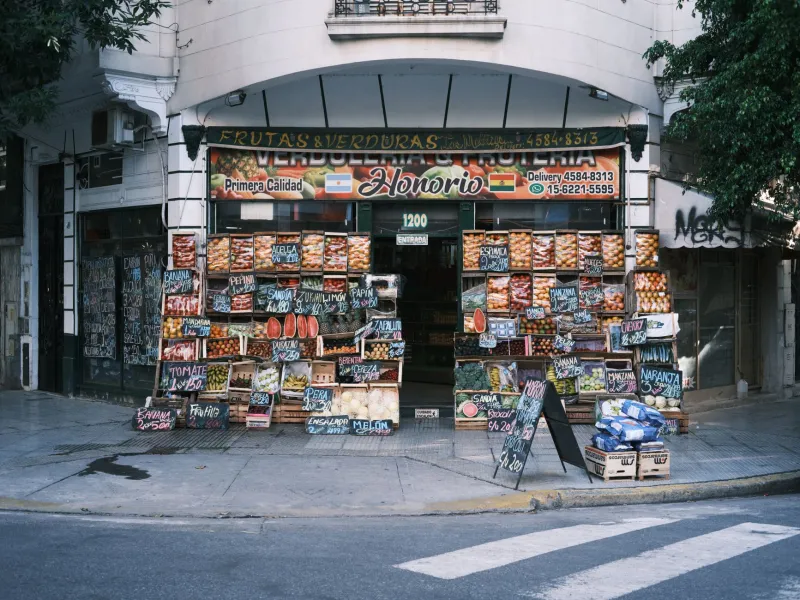
Walk into a corner store in a low-income neighborhood in Baltimore, Chicago, or rural Mississippi, and the economics are immediately apparent. A bag of chips costs less than a dollar. A two-liter bottle of soda is cheaper than a quart of milk. A package of processed snack cakes contains more calories per dollar than almost any whole food available within a reasonable distance. For a family stretching a limited food budget across an entire week, these numbers are not abstract—they are the arithmetic of survival.
This is the entry point of a cycle that public health researchers, community advocates, and anti-poverty organizations have been documenting with increasing urgency: the ultra-processed food trap. It is a cycle in which poverty drives people toward cheap, calorie-dense, nutritionally depleted food products, and those same products generate health outcomes that deepen poverty further. It is not a personal failing. It is a structural crisis—and it demands a structural response.
Defining the Problem
The term "ultra-processed food" refers to industrial food products formulated from refined ingredients and additives that bear little resemblance to anything that grows in the ground or moves through a field. Think packaged snacks, instant noodles, sugary breakfast cereals, processed meats, and most fast food. According to research published in peer-reviewed journals including JAMA Internal Medicine and The BMJ, ultra-processed foods now account for more than half of all calories consumed by Americans—and that proportion is significantly higher among low-income households.
The health consequences are well-documented. Diets dominated by ultra-processed foods are strongly associated with elevated rates of obesity, type 2 diabetes, cardiovascular disease, and certain cancers. These are not conditions that resolve themselves; they are chronic, expensive, and frequently debilitating. For individuals without comprehensive health insurance—a population that overlaps substantially with those experiencing food insecurity—managing these conditions often means choosing between medication and rent, between a doctor's visit and groceries.
The irony is crushing: the cheapest foods available in many communities are, over time, among the most expensive things a family can consume.
The Architecture of Inequity
To understand why low-income communities are disproportionately exposed to ultra-processed foods, one must look beyond individual shopping carts to the deliberate construction of food environments. Food deserts—geographic areas where access to affordable, nutritious food is severely limited—are not accidents. They are the product of decades of disinvestment, redlining, and the retreat of full-service grocery retailers from communities deemed insufficiently profitable.
In their absence, dollar stores, fast food outlets, and convenience stores have expanded aggressively, filling the vacuum with products engineered for shelf stability, palatability, and low manufacturing cost rather than nutritional value. The food industry has long recognized low-income communities as a reliable market for its least nutritious offerings, and it has invested accordingly—in advertising, in product placement, and in lobbying against the regulatory frameworks that might constrain its reach.
The result is a landscape in which healthy food is not merely more expensive but often physically unavailable without access to transportation. For the roughly one in five low-income Americans who live more than a mile from the nearest supermarket and do not own a vehicle, the choice between a bag of chips and a head of broccoli is not really a choice at all.
The Healthcare Burden Nobody Discusses Enough
The full economic cost of ultra-processed food consumption is rarely reflected in conversations about food policy, and that omission distorts the debate considerably. When a family's grocery bill appears manageable because it relies heavily on inexpensive processed products, the downstream costs—in emergency room visits, insulin prescriptions, dialysis treatments, lost workdays, and reduced lifetime earning capacity—are externalized onto healthcare systems, employers, and public assistance programs.
The American Diabetes Association estimates that the total economic cost of diagnosed diabetes in the United States exceeds $327 billion annually, including both direct medical costs and reduced productivity. Cardiovascular disease costs the U.S. healthcare system an estimated $363 billion per year. These figures are not distributed evenly across the population. They fall with disproportionate weight on communities of color, rural populations, and households with low incomes—the same communities most heavily exposed to ultra-processed food environments.
From a public investment standpoint, this represents a profound misallocation of resources. The cost of subsidizing access to fresh, whole foods—through expanded SNAP benefits, incentive programs at farmers markets, or investment in community food infrastructure—is a fraction of what is spent managing the preventable illnesses that inadequate nutrition produces.
Community-Led Solutions Pointing the Way Forward
Amid the structural failures, communities across the United States are developing and implementing solutions that demonstrate what is possible when residents are empowered to shape their own food environments.
Community-owned grocery cooperatives have emerged in several food-desert neighborhoods as a direct response to retail abandonment, providing access to fresh produce and whole foods while returning economic benefits to the community rather than to distant shareholders. Mobile markets and produce bus programs are bringing affordable fruits and vegetables directly into underserved neighborhoods on regular schedules. Food prescription programs, operating through partnerships between healthcare providers and community organizations, are enabling physicians to prescribe fresh food to patients managing diet-related chronic illness—with measurable improvements in health outcomes.
These models share a common thread: they treat food access as a right rather than a market outcome, and they center community agency in designing and sustaining solutions. They also generate compelling evidence that investment in food equity produces returns that extend well beyond the grocery aisle.
What Policy Must Do
Community innovation is essential, but it cannot substitute for the policy changes necessary to address the scale of this crisis. Advocates are calling for a range of interventions: strengthening and expanding SNAP benefits, particularly the incentive programs that increase purchasing power for fruits and vegetables; implementing zoning policies that limit the concentration of fast food and dollar stores in low-income areas while incentivizing full-service grocery retail; taxing sugar-sweetened beverages and directing revenue toward community health and food access programs; and investing in community food infrastructure, including urban agriculture, community kitchens, and regional food distribution networks.
Each of these measures faces political resistance, much of it funded by the industries that profit from the status quo. But the moral and economic case for action is clear. A society that permits the systematic exposure of its most vulnerable members to foods that compromise their health and perpetuate their poverty is one that has chosen, however passively, to sustain that poverty.
Breaking the Cycle
At Bhandara Community Hub, we hold that strengthening communities requires addressing the conditions that undermine them—and that includes the food environments in which our neighbors live, shop, and feed their families. The ultra-processed food trap is not an inevitability. It is a policy choice, sustained by indifference and vested interest, that can be unmade through sustained advocacy, community organizing, and investment in equitable food systems.
Nourishing lives is not a slogan. It is a commitment—to ensuring that the most affordable food available in every American community is also food that sustains health, dignity, and the possibility of a better future.