Recipes as Resistance: How Immigrant Communities Are Turning Ancestral Food Knowledge Into Economic Power and Cultural Survival
For millions of immigrants across the United States, a family recipe is far more than a set of instructions. It is a declaration of identity, a thread connecting generations, and increasingly, an act of quiet defiance against a food system that was never designed with them in mind. As grassroots networks and community organizations work to create space for these culinary traditions, a powerful story about wealth-building, belonging, and resistance is unfolding in kitchens across the country.
When a Recipe Is Also a Lifeline
Consider what it means to arrive in an unfamiliar country carrying almost nothing—and yet carrying everything. Many immigrants will describe the experience of reconstructing a beloved dish in a new kitchen as one of the first moments they felt genuinely at home. The act of sourcing the right chili, grinding the correct blend of spices, or coaxing a familiar aroma from an unfamiliar stove is not merely nostalgic. It is an assertion: I am still here. My culture is still here.
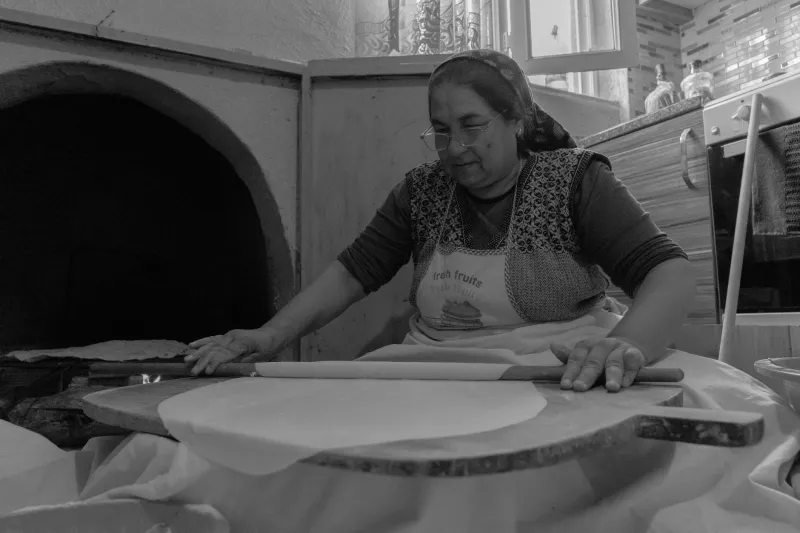
Food, in this context, functions as a living archive. Recipes passed down through families encode agricultural knowledge, medicinal wisdom, seasonal rhythms, and social rituals that no textbook has ever fully captured. For communities whose histories have been marginalized, erased, or misrepresented in mainstream American culture, this culinary inheritance represents a form of intellectual and spiritual wealth that cannot easily be commodified or taken away.
And yet, the forces that shape America's formal food system have often done precisely that—commodified, diluted, or outright ignored these traditions while simultaneously benefiting from them.
The Appropriation Economy and Its Discontents
The contradiction at the heart of American food culture is difficult to ignore. Dishes rooted in immigrant and indigenous traditions regularly appear on trendy restaurant menus, in mass-market grocery aisles, and across social media platforms—stripped of their origins, rebranded for a predominantly white consumer market, and generating profit for people who had no hand in their creation.
Meanwhile, the communities who developed these foods over centuries often struggle to access the capital, licensing structures, and institutional support necessary to build formal food businesses of their own. Cottage food laws vary dramatically by state, commercial kitchen rental costs remain prohibitive in many urban markets, and regulatory frameworks designed for large-scale food production frequently create insurmountable barriers for small, culturally specific vendors.
The result is a deeply unequal landscape: the flavor is welcomed, but the people who carry it are not always afforded the same reception.
Organizing Around the Stove
In communities across the country, however, a different story is being written—one in which food knowledge becomes the foundation not just for cultural preservation but for economic organizing.
Refugee-led catering cooperatives in cities like Minneapolis, Columbus, and Portland have demonstrated that when immigrant women are given access to shared commercial kitchen space, mentorship in navigating food business regulations, and connections to institutional buyers—hospitals, universities, corporate cafeterias—the results are transformative. Participants report not only increased income but a profound shift in how they are perceived within their broader communities and by themselves.
Similarly, community-based food markets and pop-up events centered on immigrant cuisines have emerged in neighborhoods from Houston's Mahatma Gandhi District to Chicago's Devon Avenue, functioning simultaneously as economic engines and cultural celebrations. These spaces allow vendors to set their own terms, tell their own stories, and build direct relationships with customers who come specifically to engage with the full context of what they are eating.
Grassroots organizations have played a critical role in making these efforts sustainable. By providing translation services, legal guidance on food safety compliance, and access to micro-lending programs tailored to food entrepreneurs, nonprofits and community hubs have helped bridge the gap between cultural knowledge and economic viability.
The Nutritional Politics of Cultural Food Erasure
There is another dimension to this story that deserves serious attention: the relationship between food system marginalization and public health outcomes within immigrant communities.
When families cannot access the ingredients central to their traditional diets—whether due to geographic food deserts, prohibitive cost, or the simple absence of culturally specific products in mainstream grocery stores—they are frequently pushed toward the same ultra-processed, nutritionally depleted foods that drive chronic disease across low-income populations. The irony is profound. Communities whose ancestral diets were often rich in whole grains, legumes, fermented foods, and fresh vegetables find themselves, within a generation or two, consuming the very foods most associated with diabetes, hypertension, and cardiovascular disease.
Cultural food knowledge, then, is not merely a matter of heritage sentiment. It is a public health resource. Preserving access to traditional ingredients and cooking practices is an act of preventive care, one that the formal health system has been slow to recognize and even slower to fund.
Reclaiming Space, One Kitchen at a Time
The work of reclaiming this space is happening at multiple levels simultaneously. Community organizations are advocating for policy changes that would expand cottage food law protections, increase funding for shared commercial kitchen infrastructure in underserved neighborhoods, and require cultural competency in food assistance programs that too often distribute ingredients unfamiliar to the communities they serve.
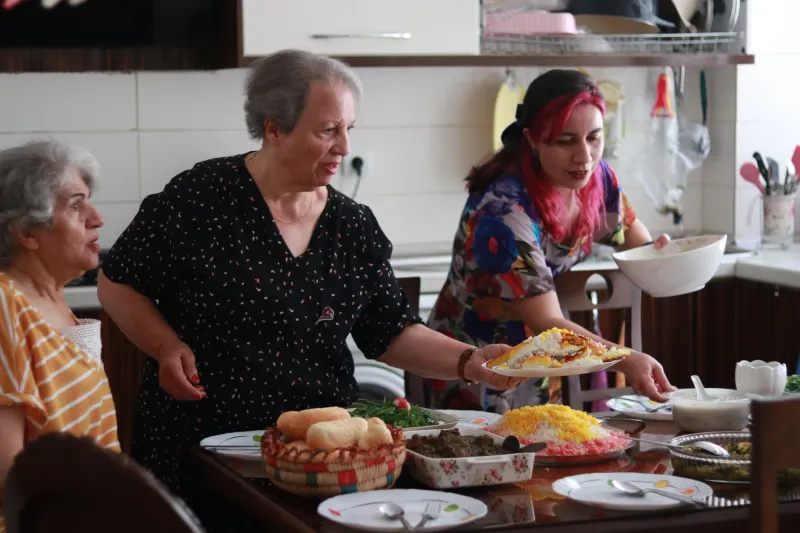
At the neighborhood level, intergenerational cooking gatherings—where elders teach younger family members and community newcomers the techniques and stories behind traditional dishes—serve as both cultural transmission events and acts of collective resistance against the homogenizing pressures of assimilation.
Language matters here as well. The framing of immigrant food traditions as "exotic" or "ethnic" reinforces a hierarchy in which American food culture occupies the default center and everything else is a curiosity orbiting it. Organizations committed to genuine food justice are increasingly insistent on language that recognizes these traditions as sophisticated culinary systems with their own internal logic, history, and authority.
Toward a More Just Table
The vision animating this work is not simply one of tolerance or multicultural celebration—though those things have their place. It is a vision of structural equity: a food system in which the communities who have contributed most generously to America's culinary richness are also the communities with the most power to determine how that richness is shared, valued, and sustained.
At Bhandara Community Hub, we understand this vision as inseparable from our broader mission. The principle of nourishing lives and strengthening communities cannot be fulfilled within a food system that extracts value from immigrant traditions while withholding opportunity from immigrant people. True community nourishment requires that the table be set not just with the right foods, but with the right conditions—dignity, economic access, cultural recognition, and the freedom to feed one another on one's own terms.
The spice of resistance, it turns out, makes everything taste a little more like justice.