More Than a Meal: How Communal Dining Is Quietly Becoming One of America's Most Powerful Public Health Tools

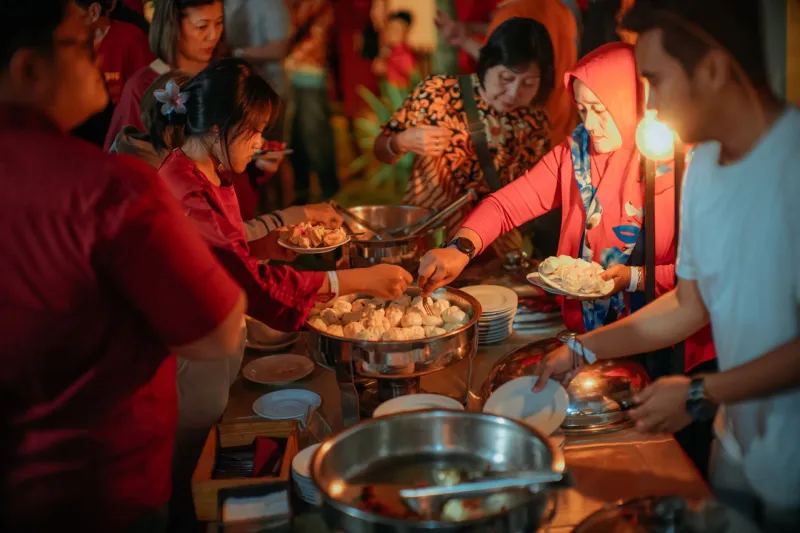
There is something profound that happens when strangers sit down and share food. Conversations begin. Guards lower. Names are exchanged. For a moment, the isolating pressures of poverty, illness, or displacement recede—replaced by something older and more elemental than any modern intervention: the simple, sustaining act of eating together.
Across underserved communities throughout the United States, that ancient act is being recognized for what it has always been—a public health resource. And researchers, clinicians, and community organizers are taking notice.
The Loneliness Epidemic No One Is Talking About Loudly Enough
In 2023, the U.S. Surgeon General issued an advisory declaring loneliness and social isolation a national public health crisis. The numbers behind that declaration are sobering. Approximately half of American adults report measurable levels of loneliness. Among low-income populations, seniors living alone, and communities of color, those figures climb considerably higher.
The health consequences are not abstract. Chronic social isolation has been linked to a 29 percent increased risk of heart disease, a 32 percent increased risk of stroke, and cognitive decline rates comparable to smoking fifteen cigarettes per day. For communities already navigating inadequate healthcare access, economic precarity, and systemic disadvantage, the compounding effect of loneliness represents a crisis layered upon a crisis.
Yet the response from institutional health systems has remained largely pharmaceutical and clinical—focused on treating symptoms rather than addressing the underlying social conditions that generate them.
Communal meals represent a different approach entirely.
What the Research Actually Shows
A growing body of peer-reviewed research supports what community organizers have long observed on the ground. A landmark study published in the journal Evolutionary Psychological Science found that the frequency with which individuals share meals is among the strongest predictors of social connectedness, life satisfaction, and sense of belonging—even more predictive, in some measures, than income or employment status.
Separate research from Brigham Young University found that individuals with strong social ties demonstrated a 50 percent greater likelihood of survival over a given study period compared to those who were more isolated. The mechanism, researchers believe, involves both behavioral and physiological pathways: shared meals encourage healthier eating habits, reduce chronic stress hormones, and activate neurological reward systems associated with bonding and trust.
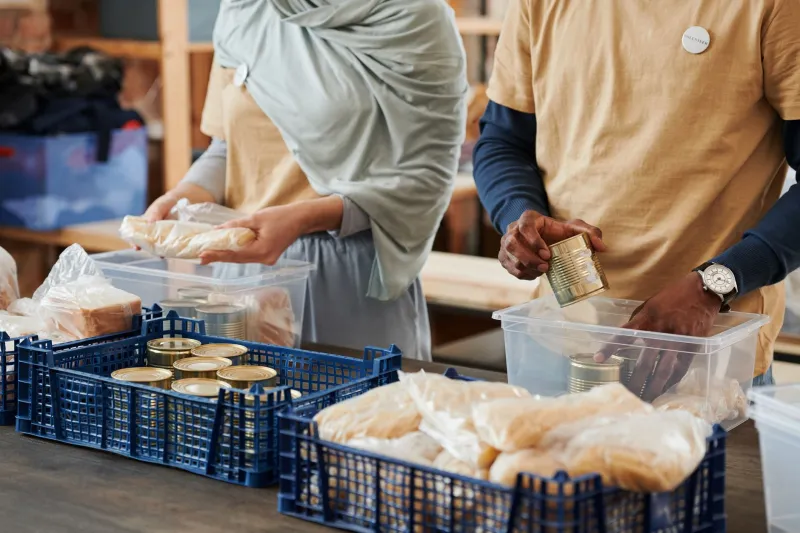
For communities facing food insecurity, the implications are particularly significant. Programs that provide meals in communal settings—rather than distributing food for individual consumption at home—consistently report higher participant engagement, improved mental health screening outcomes, and stronger rates of connection to wraparound services.
Voices From the Table
Consider the experience of a community meal program operating out of a faith-based organization on Chicago's South Side. What began as a weekly hot dinner for unhoused individuals gradually transformed into something its founders had not fully anticipated: a neighborhood anchor.
Regular participants began arriving not merely because they were hungry, but because the table had become theirs. Volunteers who started serving meals began attending as guests. Guests began volunteering. Informal networks formed—people sharing leads on housing, employment opportunities, childcare. A participant recovering from a recent hospitalization found herself surrounded by people who noticed her absence and checked on her welfare.
"Nobody asked us to build community," one program coordinator noted. "We just cooked. The community built itself around the food."
This pattern repeats across the country, from senior lunch programs in rural Appalachia to immigrant welcome dinners in Minnesota's Twin Cities to neighborhood potlucks organized through mutual aid networks in Los Angeles. The meal is the mechanism. The belonging is the outcome.
Dignity as a Health Variable
One dimension of communal dining that clinical research has only recently begun to quantify is the role of dignity in health outcomes. Traditional food assistance models—while essential—frequently operate in ways that can feel transactional or stigmatizing. Waiting in lines, receiving pre-packaged boxes, and interacting with systems designed around scarcity rather than hospitality can subtly reinforce a sense of diminishment.
Communal dining inverts that dynamic. When a meal is prepared and shared rather than distributed, the recipient becomes a guest—and guests are welcomed, not processed. That distinction, seemingly minor, carries measurable weight.
Researchers studying food program participants have documented that individuals who access food through communal dining settings report significantly higher self-reported dignity scores and lower rates of program-related shame than those using traditional pantry or distribution models. And dignity, it turns out, is not merely a social nicety. It is a physiological variable. Chronic shame and stress activate the same inflammatory pathways associated with long-term health deterioration.
When communities gather to eat together as equals—each person both giver and receiver in some measure—the physiological environment shifts accordingly.
Building the Infrastructure of Connection
For communal dining to function as a genuine public health intervention, it requires institutional recognition and sustained investment. Currently, the majority of communal meal programs in underserved communities operate through faith institutions, nonprofit organizations, and volunteer networks—sources of funding that are inherently fragile and rarely coordinated with the healthcare systems whose burden they help reduce.
Several cities have begun experimenting with more integrated approaches. Some Medicaid managed care organizations have started piloting partnerships with community meal programs, recognizing that social determinants of health—including isolation—drive substantial healthcare costs. A handful of federally qualified health centers now maintain formal referral pathways to communal dining programs as part of their care coordination protocols.
These are promising signals. But they remain exceptions rather than norms.
At Bhandara Community Hub, the tradition of gathering around a shared table is not incidental to our mission—it is central to it. The bhandara, in its deepest sense, is not merely an act of feeding. It is an act of recognition: an affirmation that every person who arrives at the table belongs there, that their presence matters, and that the community is strengthened by their being fed and seen.
A Call for Investment, Not Just Charity
The evidence is now sufficient to make a clear case: communal dining programs are not supplemental social services. They are frontline public health infrastructure, deserving of the same institutional seriousness as vaccination campaigns or chronic disease management programs.
This means funding streams that do not evaporate with the grant cycle. It means zoning and facility support for community kitchens and shared dining spaces. It means healthcare systems tracking referrals to meal programs alongside referrals to specialists. And it means centering the voices of community members themselves in designing the programs that serve them.
The research points in one direction. The stories confirm it. The question now is whether American institutions have the imagination to recognize that some of the most powerful medicine available is already being prepared—quietly, consistently, and generously—in community kitchens across this country.
All that remains is to pull up more chairs.