Stirring Something Deeper: How Cooking Together Is Quietly Healing America's Loneliness Epidemic

In 2023, the U.S. Surgeon General issued a formal advisory declaring loneliness a public health crisis. The numbers were sobering: roughly half of American adults reported measurable feelings of isolation, and the health consequences — elevated risks of heart disease, cognitive decline, and premature death — rivaled those of smoking fifteen cigarettes a day. Yet while policymakers debated large-scale interventions, something far more intimate was already taking shape in kitchens across the country.
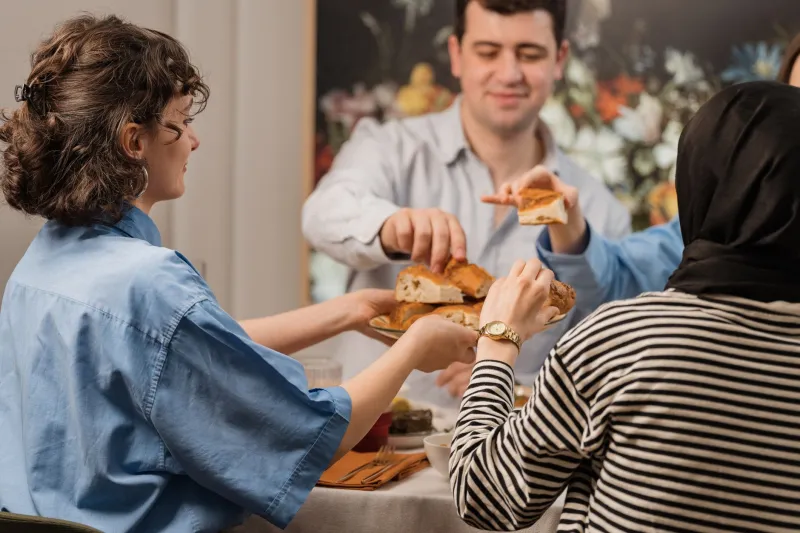
Community organizations running collaborative cooking programs had, often without formal research backing, stumbled upon something profound. When people chop vegetables together, share recipes passed down through generations, and sit down to eat what their own hands have made, something shifts. The walls that isolation builds begin, slowly, to come down.
What the Research Is Beginning to Confirm
The science of social cooking is still emerging, but its early findings are striking. A 2017 study published in the journal Evolutionary Psychology found that people who cooked and ate with others reported significantly higher levels of trust, engagement, and life satisfaction than those who ate alone — regardless of the quality or quantity of the food consumed. Researchers theorized that the synchronized, cooperative nature of shared meal preparation triggers social bonding mechanisms deeply embedded in human behavior.
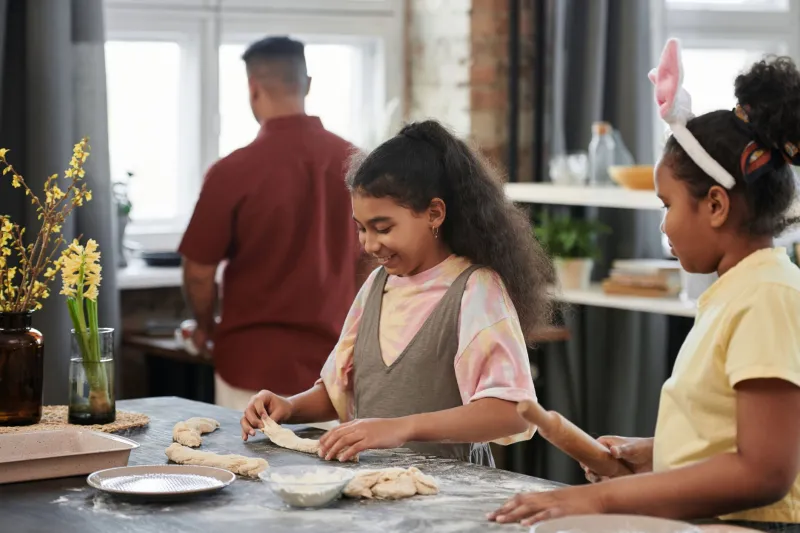
More recently, mental health practitioners have begun integrating culinary activities into therapeutic frameworks. Programs using cooking as a vehicle for group therapy have reported reductions in anxiety and depression among participants, with some studies noting that the tactile, sensory engagement of cooking — the smell of garlic softening in oil, the rhythm of kneading dough — provides grounding benefits similar to mindfulness-based interventions.
For community organizations already addressing food insecurity, these findings carry significant implications. The kitchen, it turns out, is not merely a place to solve hunger. It is a space where mental and emotional health can be tended alongside physical nourishment.
Voices From the Kitchen Floor
Maria Gutierrez has run a community cooking circle in South Chicago for the past six years. What began as a practical effort to teach budget-conscious meal preparation to low-income families has grown into something she now describes as "the most important mental health resource on our block."
"People come in carrying so much," she explains. "Stress from work, from bills, from raising kids alone. But when they start cooking together, something releases. There's laughter. There's storytelling. People share recipes from their home countries, their grandmothers' kitchens. By the time we sit down to eat, the room feels completely different."
Gutierrez notes that several participants who initially attended for practical cooking instruction have since formed lasting friendships, created informal childcare networks, and supported one another through job losses and health challenges. The kitchen became an entry point into a broader web of mutual support.
In rural Vermont, a program called Gather & Grow has taken a similar approach with elderly residents facing acute isolation following the COVID-19 pandemic. Program coordinator James Whitfield describes how weekly cooking sessions have reduced participants' reported feelings of loneliness by creating reliable, structured social contact. "For some of our seniors, this is the only time each week they are physically in a room with other people," he says. "The cooking is almost secondary. What they are really here for is each other."
The Architecture of a Healing Kitchen
Not every communal cooking program achieves the same outcomes. Organizations that have studied successful models identify several structural elements that appear to matter considerably.
Consistency and routine rank among the most important factors. Programs that meet weekly or biweekly — rather than as one-time events — allow relationships to develop over time. Trust is not built in a single session; it accumulates through repeated, low-stakes interactions.
Participant agency also proves critical. Programs that allow participants to contribute their own recipes, lead cooking demonstrations, or take ownership of specific roles tend to generate stronger engagement and a greater sense of belonging than those structured as top-down instruction. When people feel that they are bringing something of value to the table — literally and figuratively — the dynamic shifts from charity recipient to community contributor.
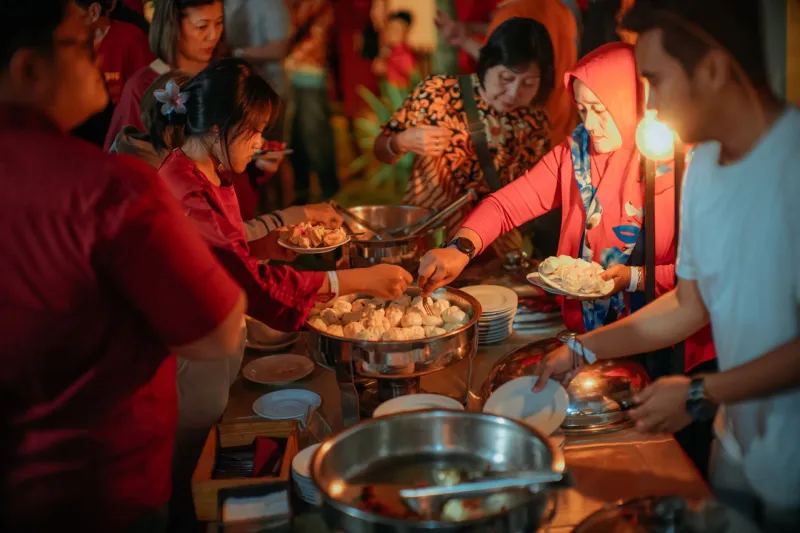
Cultural inclusivity shapes outcomes in communities with diverse populations. Intentionally incorporating recipes from multiple cultural traditions signals that all participants' heritages are valued, and creates natural opportunities for cross-cultural exchange and curiosity.
Finally, removing barriers to participation — offering childcare, ensuring physical accessibility, providing transportation assistance where possible, and keeping programs free of charge — determines who actually benefits. The communities most affected by isolation are often those facing the greatest practical obstacles to participation.
How Readers Can Get Involved
For individuals and organizations inspired to support or launch collaborative cooking initiatives, the path forward need not be complicated. Many successful programs began with a single donated kitchen space, a handful of volunteers, and a commitment to showing up consistently.
Community organizations already working in food assistance are well-positioned to expand their programming to include a social cooking component. Partnering with local mental health providers, senior centers, or immigrant services organizations can broaden reach and deepen impact. Applying for community development block grants, which many municipalities allocate specifically for programs addressing social determinants of health, can provide initial funding.
For individuals, the simplest contribution may be time and presence. Volunteering to co-facilitate a cooking session, donating kitchen equipment, or simply spreading awareness of existing programs within one's neighborhood can meaningfully support the work.
Nourishment That Goes Beyond the Plate
The ancient tradition of gathering around food preparation is not new. Cultures across human history have understood intuitively what researchers are now documenting with data: that cooking together is a form of care. It is an act of mutual investment in one another's wellbeing that transcends the transactional.
For organizations committed to nourishing lives and strengthening communities, collaborative cooking programs represent an opportunity to address multiple dimensions of human need simultaneously — hunger, isolation, mental health, and the fundamental desire to belong somewhere and to someone.
The kitchen, in this light, is not a modest intervention. It may be among the most human ones we have.