From Hesitation to Empowerment: How Community Hubs Are Guiding Americans Through the Food Assistance Maze
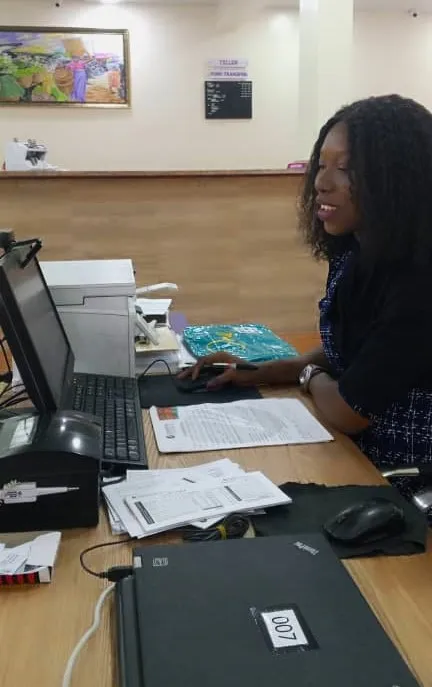
Photo: Dagentle, CC BY-SA 4.0, via Wikimedia Commons
There is a particular kind of suffering that accompanies hunger when it is hidden. It is not only the physical toll of missed meals or the mental burden of rationing a nearly empty pantry. It is the weight of believing — sometimes correctly, sometimes not — that reaching out for help will cost something intangible but irreplaceable: dignity, privacy, the carefully maintained appearance of self-sufficiency. For tens of millions of Americans who qualify for food assistance programs but never access them, that weight is often heavier than hunger itself.
The gap between eligibility and enrollment has long frustrated policymakers and advocates alike. The USDA estimates that billions of dollars in federal nutrition benefits go unclaimed every year, not because of funding shortfalls but because of the invisible barriers standing between eligible individuals and the resources they have every right to receive. Application processes are complex. Office hours are inconvenient. Forms are written in bureaucratic language that can baffle even well-educated applicants. And layered over all of it is the persistent, damaging stigma that frames asking for food assistance as a personal failure rather than a reasonable response to systemic economic pressure.
Community hubs — organizations that blend social services, peer connection, and practical support under one accessible roof — are increasingly stepping into this gap. What they are discovering is that the most effective intervention is rarely a pamphlet or a hotline. It is a person.
The Anatomy of the Barrier
To understand why navigation support matters so much, it helps to understand precisely what people encounter when they attempt to access food assistance on their own.
For SNAP, the Supplemental Nutrition Assistance Program that serves as the backbone of federal food support, the application process varies by state but almost universally involves documentation requirements, income verification, and in many cases an in-person or telephone interview. For someone working multiple jobs, managing childcare without support, or navigating a disability, each of those steps represents a potential point of failure — not because the person is incapable, but because the system was not designed with their circumstances in mind.
Language is another significant obstacle. Roughly 67 million Americans speak a language other than English at home, and food assistance materials, even when translated, often carry cultural assumptions that do not translate cleanly. The very vocabulary of government assistance — terms like "categorical eligibility," "gross income threshold," or "expedited processing" — can feel deliberately exclusionary to someone encountering the system for the first time.
And then there is fear. Fear of being judged by a caseworker. Fear that applying will somehow affect immigration status. Fear that neighbors or coworkers will find out. These fears are not always rational, but they are always real, and dismissing them without addressing them has never once helped anyone eat.
A Different Kind of Welcome
What distinguishes the most effective community hub models from traditional social service offices is not primarily their programming — it is their posture. These organizations begin from a foundational assumption that the people walking through their doors are competent, capable adults who deserve both respect and honest information. That assumption shapes everything from the physical layout of the space to the language staff members use in conversation.
In practice, this often means replacing the intake desk with a living room-style reception area. It means offering coffee and conversation before anyone mentions paperwork. It means hiring staff and volunteers who reflect the demographics of the communities they serve — people who share languages, cultural backgrounds, and in many cases, personal histories with food insecurity.
Several community hubs have developed what practitioners call "warm handoff" models, in which a trusted community member accompanies a first-time applicant through every step of the assistance process. This is not case management in the traditional sense. It is closer to what happens when a knowledgeable friend helps you navigate a confusing system — someone who knows which forms to bring, who to speak with, how to explain a complicated income situation, and how to follow up if an application is delayed or denied.
The emotional dimension of this accompaniment cannot be overstated. Many people report that the simple act of having someone sit beside them during an assistance interview changed their entire experience of the process. The presence of a peer communicates something that no brochure can: you are not alone in this, and there is nothing wrong with you for being here.
Demystifying the System Through Education
Beyond individual accompaniment, forward-thinking community hubs are investing in group-based navigation workshops that teach participants how food assistance systems actually work. These sessions cover everything from understanding benefit calculations to knowing one's rights during an eligibility review — information that has historically been the exclusive domain of social workers and legal aid attorneys.
When people understand a system, they are less afraid of it. They ask better questions. They are less likely to abandon an application mid-process when they encounter an unexpected complication. And critically, they are more likely to share what they have learned with others in their networks, creating a ripple effect of informed, empowered community members.
Some organizations have gone further, training community members as certified benefits counselors — equipping neighbors to help neighbors with a level of expertise that was once only available through formal professional channels. This peer-to-peer expertise model has proven particularly effective in communities where institutional distrust runs deep, because the messenger matters as much as the message.
Reframing the Narrative
Perhaps the most significant work community hubs are doing is not logistical at all. It is cultural. The stigma surrounding food assistance is not a natural phenomenon — it has been constructed over decades through political rhetoric, media framing, and social messaging that consistently portrays people who seek help as lesser than those who do not. Dismantling that construction requires deliberate, sustained counter-narrative work.
The most effective community hubs treat every interaction as an opportunity to reinforce a different story: that food insecurity is a structural problem with structural causes, that the assistance programs in question exist precisely because communities decided collectively that no one should go hungry, and that accessing those programs is an act of practical wisdom, not weakness.
This reframing does not happen through slogans. It happens through consistent, repeated human interaction in which people are treated with warmth and without judgment, in which their experiences are validated, and in which their capacity to manage their own lives is affirmed rather than questioned.
The Compounding Returns of Confident Access
When someone successfully navigates food assistance for the first time — when they complete an application, receive approval, and use their benefits without incident — something changes in them. The system that once felt opaque and threatening becomes manageable. They are more likely to renew their benefits on time, to report changes in circumstances accurately, and to access additional resources when their needs evolve.
More importantly, they become a resource for others. The person who was guided through the process six months ago becomes the person who guides someone else today. Community knowledge accumulates. Institutional barriers erode incrementally. The hub grows stronger not despite the vulnerability of the people it serves, but because of the strength those people discover within themselves.
This is the quiet mission of community hubs working at the intersection of food access and human dignity: not simply to connect people with resources, but to help them discover that asking for those resources was never something to be ashamed of. It was, all along, one of the most courageous and community-affirming things a person can do.